
The Ultimate Luxury Travel Guide to Cuba
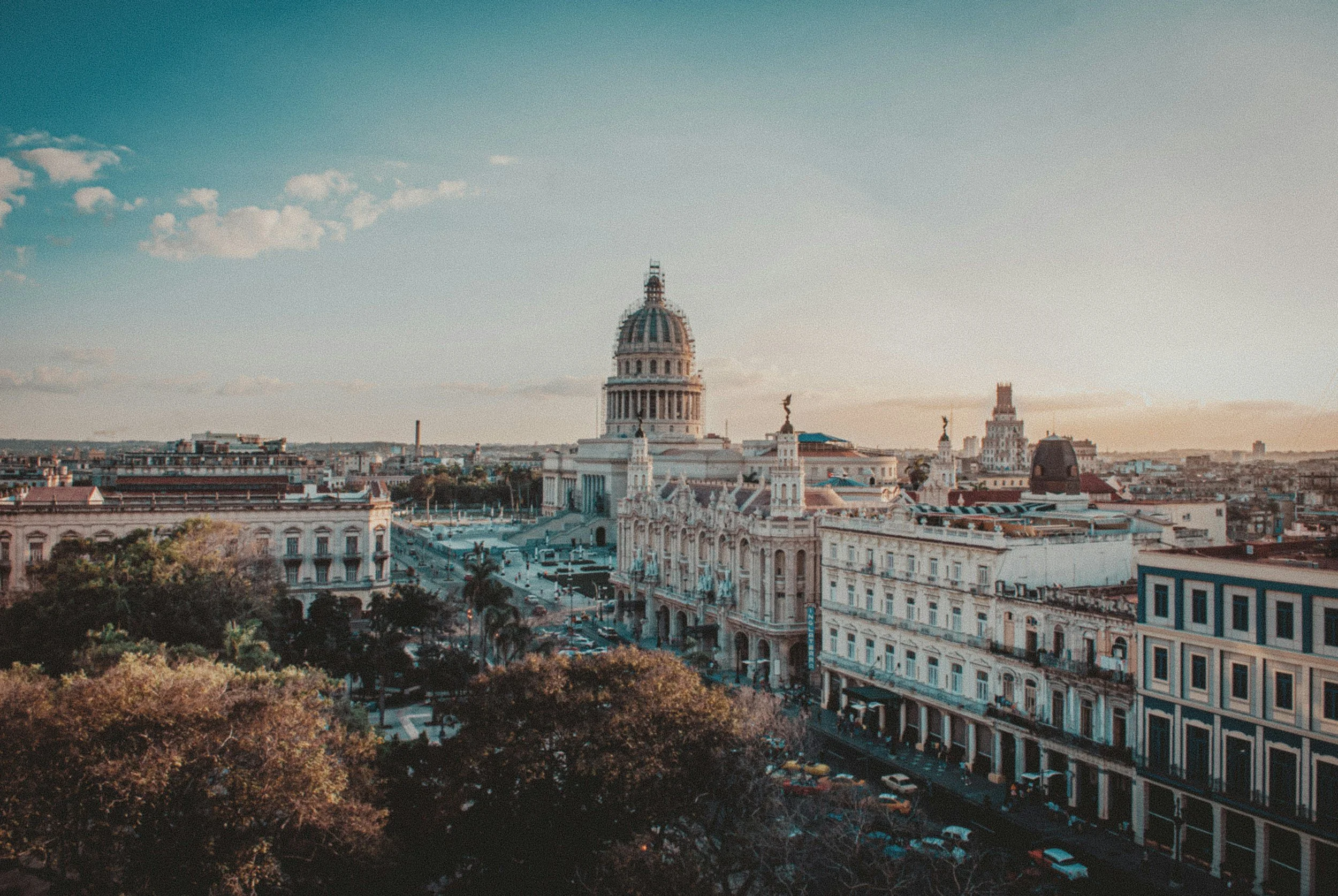
Cuba resists standardized luxury.
Its most memorable experiences are not defined by designer boutiques, flawless infrastructure or vast resort complexes. They are more personal: entering a beautifully restored mansion from an ordinary residential street; meeting an artist inside a working studio; crossing the countryside with a trusted private driver; or dining beneath palms in a garden hidden from the city beyond its walls.
Luxury travel in Cuba is ultimately about access, judgment and attention. The right arrangements remove avoidable complications without separating the traveler from the country itself. A driver is waiting when the flight arrives. A guide understands the architecture as well as the neighborhood around it. Restaurant reservations are reconfirmed. The hotel remains a calm and dependable base after a full day in Havana.
At VOYA, we believe the most rewarding way to experience Cuba is through this balance of Explore & Retreat: a journey carefully arranged in advance, yet never so tightly programmed that it loses its sense of discovery.
This guide introduces that approach—from monumental Old Havana and the residential heritage of Santos Suárez to Viñales, Trinidad, Cienfuegos and the Caribbean coast.
Before booking: Travel conditions and government guidance can change quickly. As of 14 July 2026, the UK Foreign, Commonwealth & Development Office advises against all but essential travel to Cuba, while the United States lists Cuba at Level 2, “Exercise Increased Caution.” Travelers should consult the advice issued by their own government, confirm that insurance remains valid and reconfirm flights before departure. GOV.UK
What luxury means in Cuba

In Cuba, luxury is often defined by what has been anticipated.
It is reliable electricity, hot water and air-conditioning when the public grid is under strain. It is a private transfer rather than negotiating transport after a long flight. It is dining somewhere because the restaurant is excellent now—not because it appeared in an old guidebook several years ago.
The strongest journeys usually combine:
Distinctive, independently operated accommodation
Trusted private transportation
Knowledgeable local guides
Carefully selected dining and cultural experiences
Enough time to understand each destination
A responsive point of contact throughout the stay
This does not mean insulating yourself from Cuban life. On the contrary, thoughtful planning makes more meaningful encounters possible. When the practical details are handled, travelers can concentrate on the country’s architecture, music, art, food and people.
Cuba’s contrasts are inseparable from its identity. A restored interior may sit beside a façade marked by time. An ambitious private restaurant may operate within a difficult economic environment. A quiet residential street may reveal more about Havana than a rushed circuit of famous landmarks.
Luxury here is not about pretending those contrasts do not exist. It is about encountering them intelligently, comfortably and respectfully.
When is the best time to visit Cuba?
Cuba has a broadly drier season from November through April and a wetter season from May through October. For many travelers, December through March offers the most comfortable conditions for walking through Havana and combining the capital with other parts of the island. insmet.cu
December to March
This is generally the most desirable period for cultural travel. Temperatures are usually more comfortable, humidity is lower than during summer and evenings may feel pleasantly cool.
It is also the busiest season. Smaller boutique hotels have limited room inventories, so Christmas, New Year and the most popular winter weeks should be booked well ahead.
April and May
These months are warmer and often quieter. They can suit travelers who prefer fewer visitors and are comfortable with higher temperatures and occasional rainfall.
June to October
Summer is hotter and more humid, with heavier rain and a greater need for flexibility. The Atlantic hurricane season officially runs from 1 June through 30 November, with most historical activity occurring between mid-August and mid-October. NOAA
November
November marks the transition toward the drier season. It can offer an attractive balance of improving weather and greater accommodation availability.
Entry requirements and pre-arrival planning
Most international leisure travelers require a Cuban tourist visa or eVisa. Cuba’s official eVisa platform states that the tourist visa permits one entry for a stay of up to 90 days, extendable for a further 90 days. The electronic visa is linked to the passport used during the application. eVisa Cuba
Travelers must also complete the D’Viajeros online passenger-information form within 72 hours before entering Cuba. The form generates a QR code that should be downloaded or printed before departure. Airlines may check it during check-in. GOV.UK
Before traveling, confirm that you have:
A passport meeting the rules applicable to your nationality
The correct visa or eVisa
A completed D’Viajeros form and QR code
Proof of onward or return travel
Hotel and transfer confirmations
Appropriate travel and medical insurance
A clear plan for payments and cash
Offline copies of essential documents
Entry requirements depend on nationality, route and airline. Check the official Cuban eVisa service, the relevant Cuban consulate and your travel provider before departure.
Travelers subject to U.S. jurisdiction
U.S. citizens, residents and others subject to U.S. jurisdiction cannot travel to Cuba solely for conventional tourism. Travel-related transactions must fall within an authorized category or specific licence.
One commonly used category is Support for the Cuban People. OFAC requires travelers using this authorization to maintain a full-time schedule of qualifying activities that enhance contact with Cuban people, support civil society or promote independence from Cuban authorities. Excessive recreation and certain transactions involving restricted entities are excluded. OFAC
VOYA can help arrange private guides, independently operated restaurants, cultural visits, artists’ studios and other experiences that may form part of a traveler’s schedule. Each traveler remains solely responsible for ensuring that their complete itinerary and transactions meet applicable U.S. requirements.
This guide is general travel information and not legal advice.
Money, cash and credit cards in Cuba
Payment planning is one of the most important parts of preparing for Cuba.
The Cuban peso, abbreviated CUP, is the official national currency. The former Cuban convertible peso, or CUC, is no longer in circulation. Cash remains essential for many restaurants, taxis, gratuities, admissions and small private businesses.
From 6 June 2026, Cuba became unable to continue processing domestic transactions using international Visa and Mastercard cards after the foreign bank handling those operations ended its relationship with FINCIMEX. The Central Bank of Cuba identified cash, Cuban prepaid cards, Mir and UnionPay as continuing payment methods. Banco Central de Cuba
Travelers should therefore not depend on a foreign card working at an ATM, shop, restaurant or independent service provider. Bring enough cash for the journey, together with a reasonable contingency amount. Euros and U.S. dollars are commonly carried by visitors, although acceptance and exchange practices vary.
Paying VOYA by international credit card
VOYA is able to process major international credit and debit cards through its international payment arrangements.
Guests can pay for their accommodation and agreed hotel services by card, subject to authorization by the issuing bank.
Certain pre-arranged travel services may also be settled through VOYA where agreed in advance. Guests should still carry cash for gratuities, independent purchases and businesses outside VOYA’s payment arrangements.
Before departure, it is sensible to establish:
Which parts of the journey can be prepaid
Which services can be charged through VOYA
How much cash will realistically be needed
Which currencies are most practical for the itinerary
VOYA’s team can help guests estimate their likely cash requirements before arrival.
Arriving in Havana
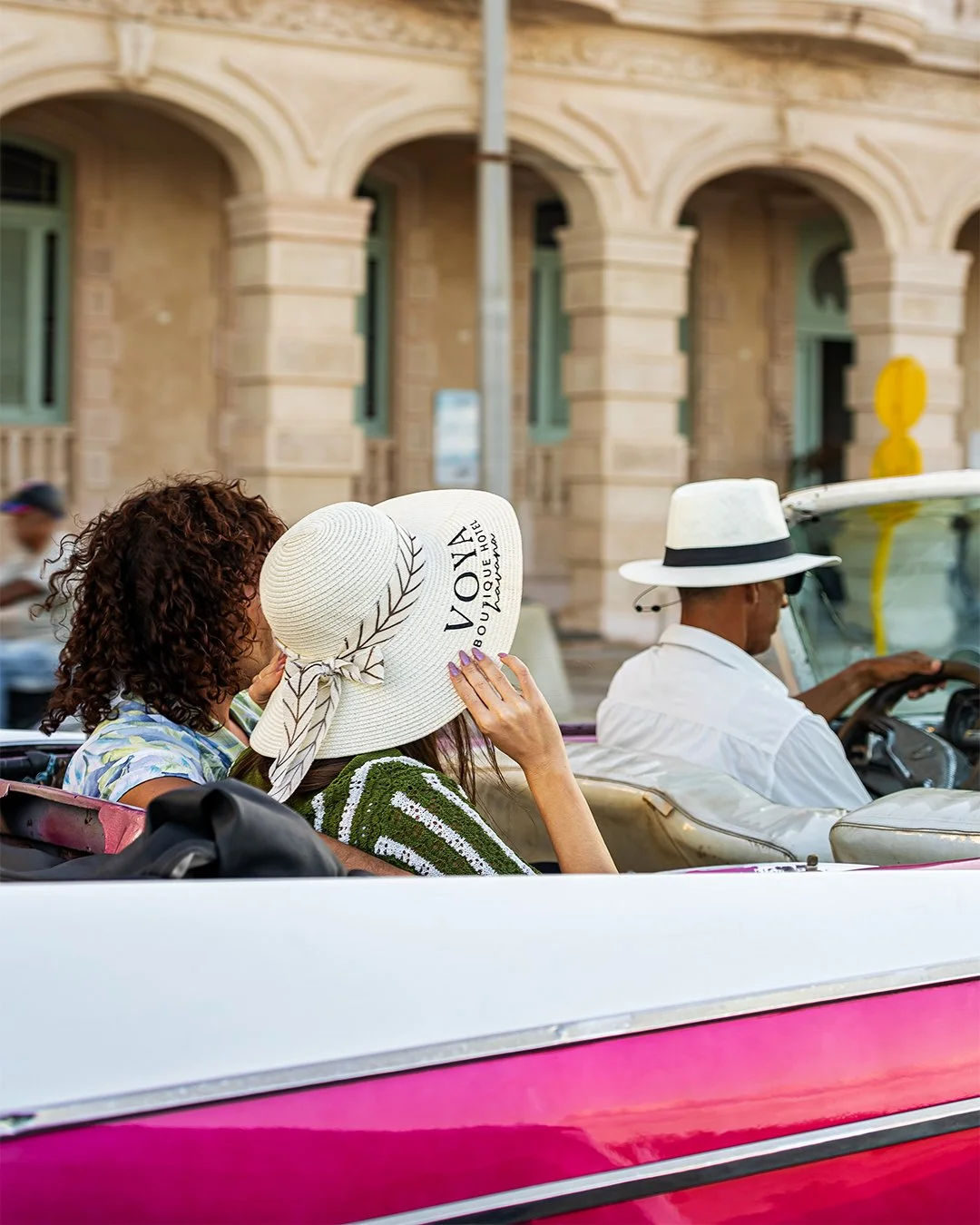
José Martí International Airport is Havana’s principal international gateway.
A private airport transfer should be arranged before departure. The driver should have the guest’s name, flight number, terminal and hotel address. Flight schedules and terminal information should be reconfirmed shortly before travel.
Keep the following in your hand luggage:
Hotel address and telephone number
Visa and D’Viajeros confirmation
Travel-insurance details
Essential medication
A charged telephone and power bank
Accessible cash
Offline copies of reservations
VOYA can arrange private airport collection, monitor the incoming flight and coordinate directly with the driver if the arrival time or terminal changes.
Getting around Cuba comfortably
For most luxury travelers, private transportation provides the greatest comfort and flexibility.
Modern private vehicles
A modern car or minivan is generally the best choice for airport transfers, excursions and journeys between cities.
Before confirming a vehicle, check:
Air-conditioning
Luggage capacity
Seatbelts
General condition
Journey time
Whether waiting time and fuel are included
Classic American cars
A restored American automobile is one of Havana’s most distinctive experiences, but it is best treated as a curated city journey rather than the default form of long-distance transport.
Vehicle quality varies. The strongest experience combines a well-maintained car with a driver or guide who understands the architecture, history and neighborhoods being visited.
Private guides
An accomplished guide changes the way Havana is understood.
The best guides go beyond names and dates. They explain how the city developed, how its architectural styles relate to different eras and how everyday life fits around its monuments.
Specialist guiding can be arranged around:
History and architecture
Contemporary art
Music and cultural heritage
Gastronomy and cocktails
Photography
Residential neighborhoods
Private excursions beyond Havana
Havana beyond the obvious
Havana deserves at least three full days. Four or five are preferable for travelers interested in architecture, food, art, music and neighborhood life.
Old Havana and its fortification system have held UNESCO World Heritage status since 1982. Yet the capital is far larger and more varied than its historic core, and a complete itinerary should include residential Havana as well as its monumental center. UNESCO World Heritage Centre
Old Havana
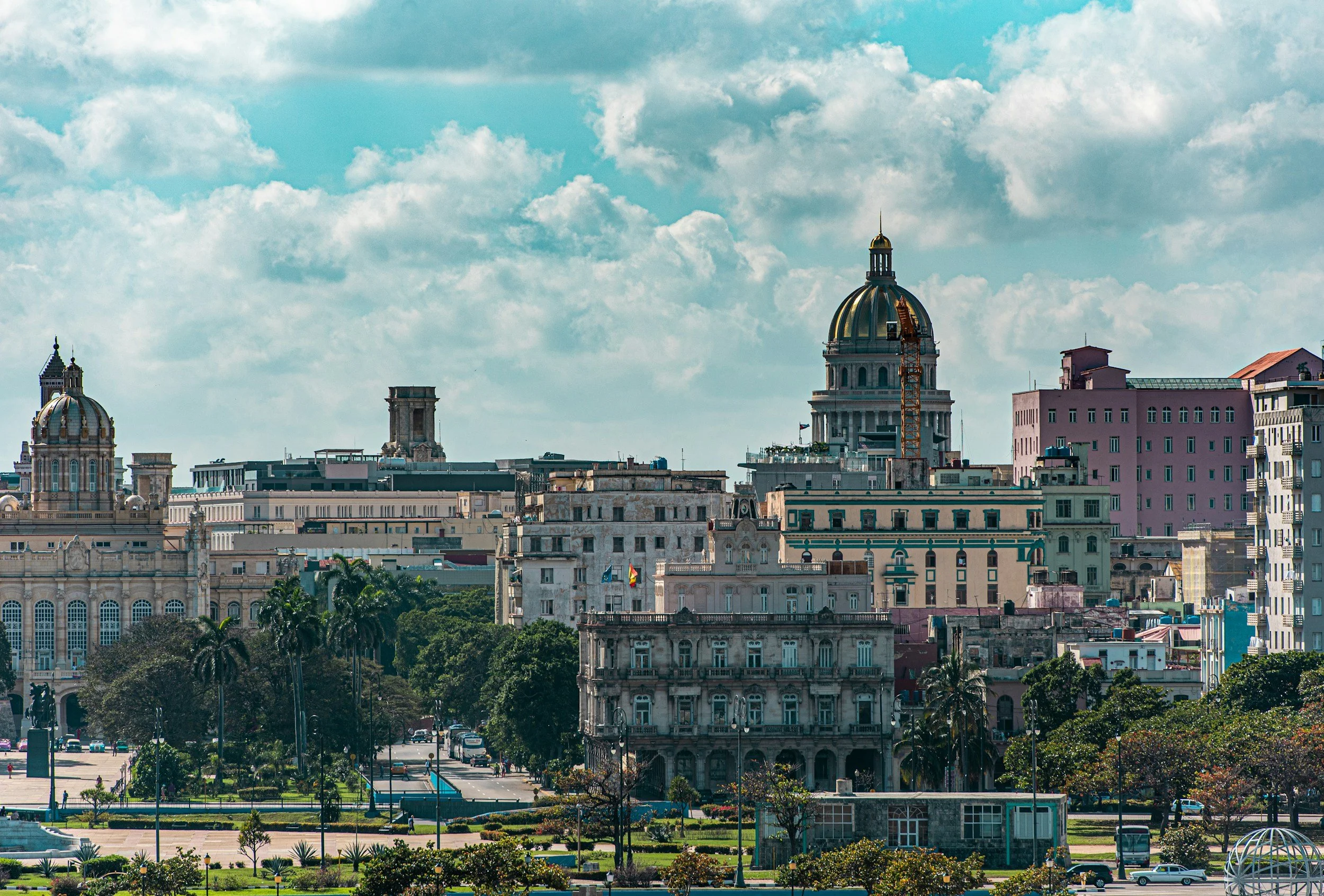
Old Havana is the natural starting point.
Its principal plazas provide a useful framework, but the streets between them are often more revealing. Look beyond the façades toward tiled entrances, courtyards, balconies, staircases and the gradual changes in architectural style from one block to another.
Explore early, before the strongest heat. A private walking tour provides context without reducing the district to a checklist of landmarks.
Old Havana is best understood through detail rather than speed.
Centro Habana and the Malecón
Centro Habana is denser, less polished and intensely lived-in. Its apartment buildings, workshops, street commerce and daily rhythm show Havana as a functioning city rather than only as a historic destination.
A guided route can connect the neighborhood with the Malecón, the capital’s long waterfront promenade. Late afternoon often brings softer light, sea air and a cross-section of local life along the wall.
Vedado
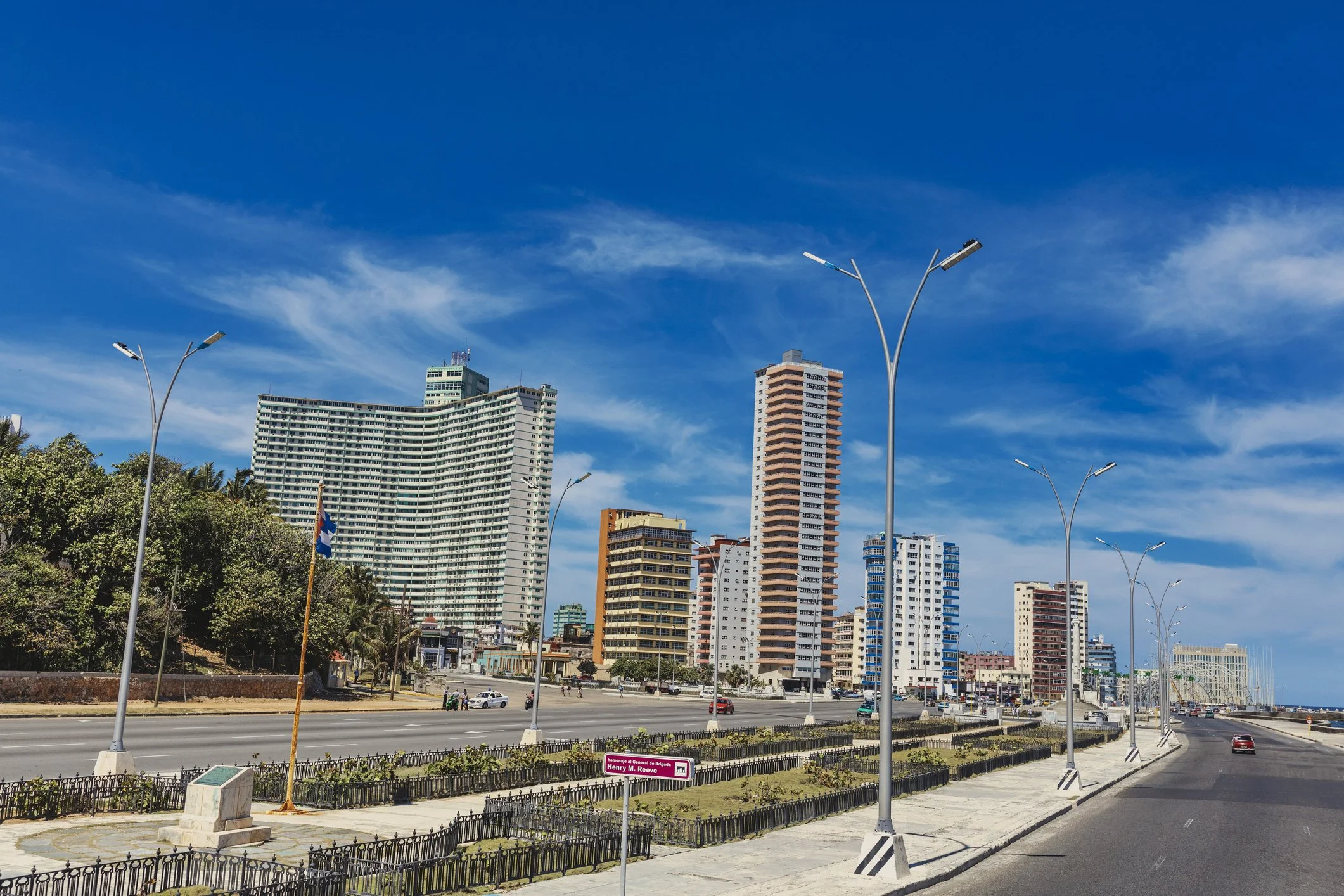
Vedado presents a more spacious, twentieth-century Havana.
Broad avenues, mature gardens, cultural institutions and residences in eclectic, Art Deco and modernist styles make it particularly rewarding for travelers interested in architecture and design.
The district also contains many of the city’s private restaurants, creative businesses and cultural venues.
Santos Suárez: residential Havana and the story of Celia Cruz
To understand Havana more fully, it is necessary to leave the conventional visitor route.
Santos Suárez is one of the capital’s established residential neighborhoods. Its streets contain early twentieth-century houses, shaded portales, decorative ironwork, patterned tiles and the layered architectural character that distinguishes residential Havana.
It is not a museum district or a purpose-built tourist enclave. Families, cafés, workshops, schools and neighborhood businesses continue to shape daily life. Its appeal lies precisely in that lived-in quality.
Santos Suárez also occupies an important place in Cuban musical history. Celia Cruz grew up in the neighborhood, where she was exposed to musicians and performers who influenced her early development before she became internationally celebrated as the “Queen of Salsa.” National Museum of African American History
VOYA Boutique Hotel is located in Santos Suárez, within a restored 1925 mansion. The setting allows guests to explore central Havana during the day and return to a quieter residential environment in the evening.
For VOYA, the neighborhood is not simply an address. It connects the hotel to Havana’s architectural heritage, community life and musical history.
Exploring Santos Suárez should not be viewed as an alternative to Old Havana. It is the essential second half of the story.
Where to stay in Havana
Accommodation in Havana should be selected for more than appearance.
The right hotel becomes the traveler’s dependable base: the place that coordinates transfers, confirms reservations, provides reliable comfort and responds when circumstances change.
Before booking, ask:
Does the property have independent or backup electricity?
Which services continue during a public-grid outage?
Is hot water consistently available?
Is Wi-Fi dependable?
Is the hotel staffed around the clock?
Can it arrange trusted drivers and guides?
How are international payments handled?
Is food available on the property?
Can dietary requirements be accommodated?
Independent boutique hotels often provide a more personal experience than large properties. With fewer rooms, staff can understand each guest’s itinerary, preferences and priorities.
Staying at VOYA
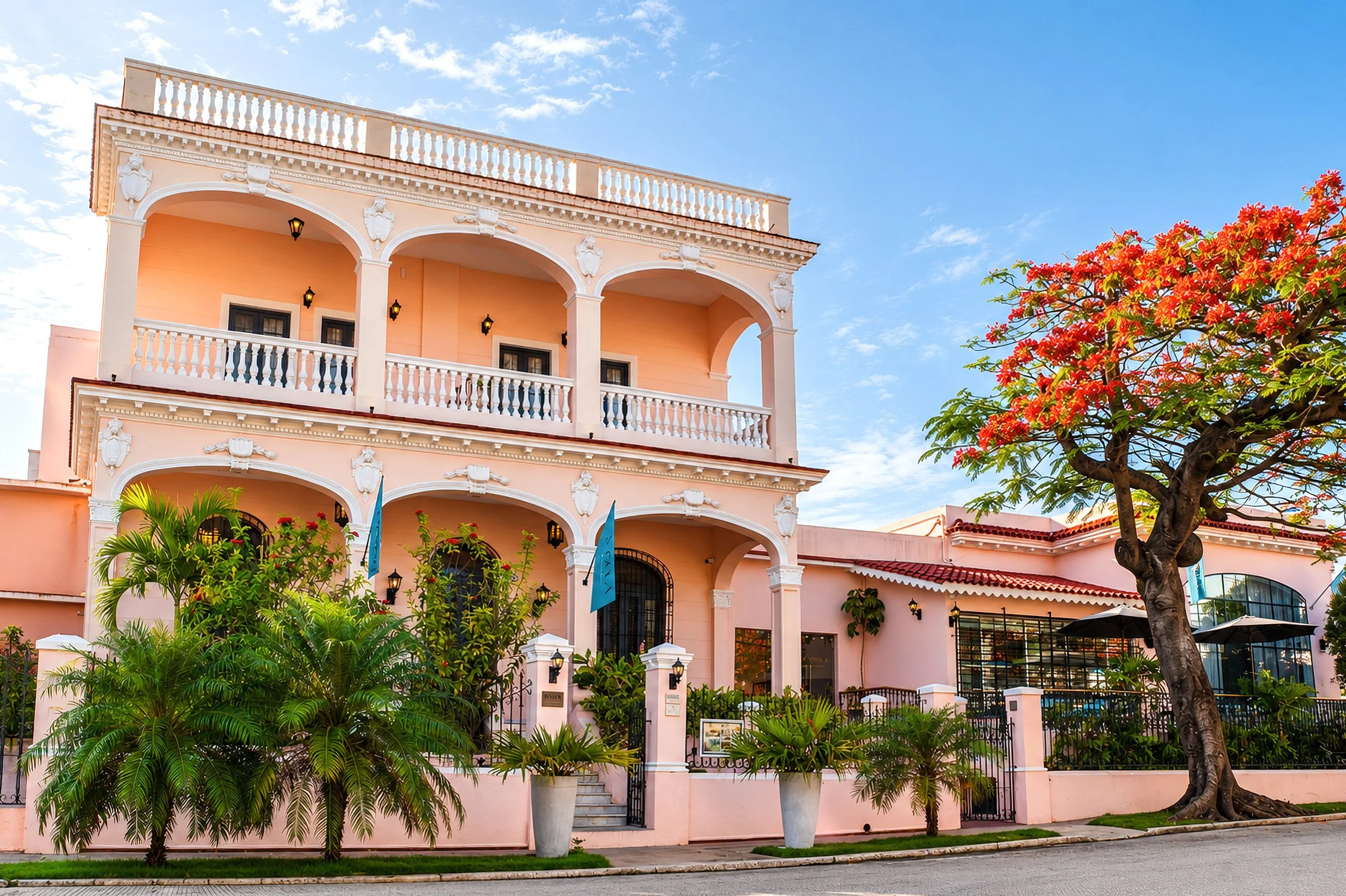
VOYA Boutique Hotel is an award-winning, 17-room hotel housed in a restored 1925 mansion in Santos Suárez.
Its intimate scale supports highly personal service, while its location offers convenient access to central Havana without placing guests inside its busiest visitor districts. Solar generation and substantial battery storage allow the hotel to maintain dependable operations with limited reliance on the public electricity grid.
Within the property, guests have access to individually designed rooms and suites, Brasserie 255, the Secret Garden, VOYA Café and a team able to arrange the complete journey before and during the stay.
That rhythm-immersive days in Havana followed by privacy, calm and dependable comfort-is the essence of Explore & Retreat.
Dining in Havana
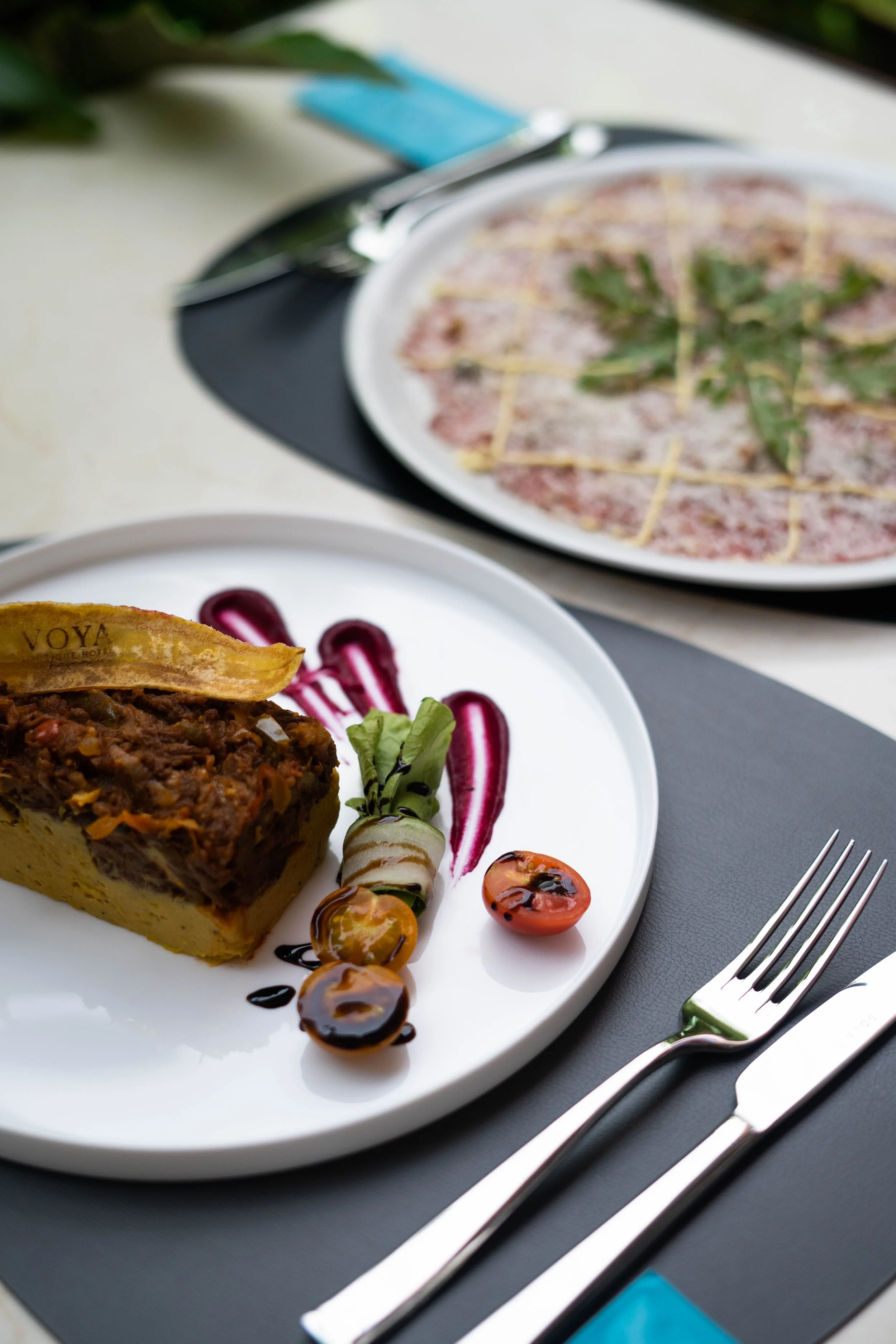
Many of Havana’s most interesting dining experiences are found in privately operated restaurants known locally as paladares.
The category is broad. A paladar may be a small family-run dining room, a contemporary restaurant inside a restored residence or a sophisticated garden venue. Quality and ingredient availability can change, so recommendations should be recent and reservations reconfirmed.
The strongest restaurants tend to have a distinct identity rather than attempting to reproduce an imported luxury formula. Some reinterpret Cuban ingredients and recipes. Others draw from Mediterranean, Asian or wider Latin American influences.
A considered dining itinerary might include:
A contemporary Cuban dinner
A restaurant inside a historic residence
A garden or courtyard lunch
A chef-led menu or private meal
A simple traditional dish prepared particularly well
Menus may change according to sourcing. At a well-managed restaurant, flexibility can be a sign of freshness rather than poor planning.
VOYA can recommend, reserve and reconfirm restaurants according to each guest’s preferred setting, cuisine and level of formality.
Cocktails, rum and Havana after dark
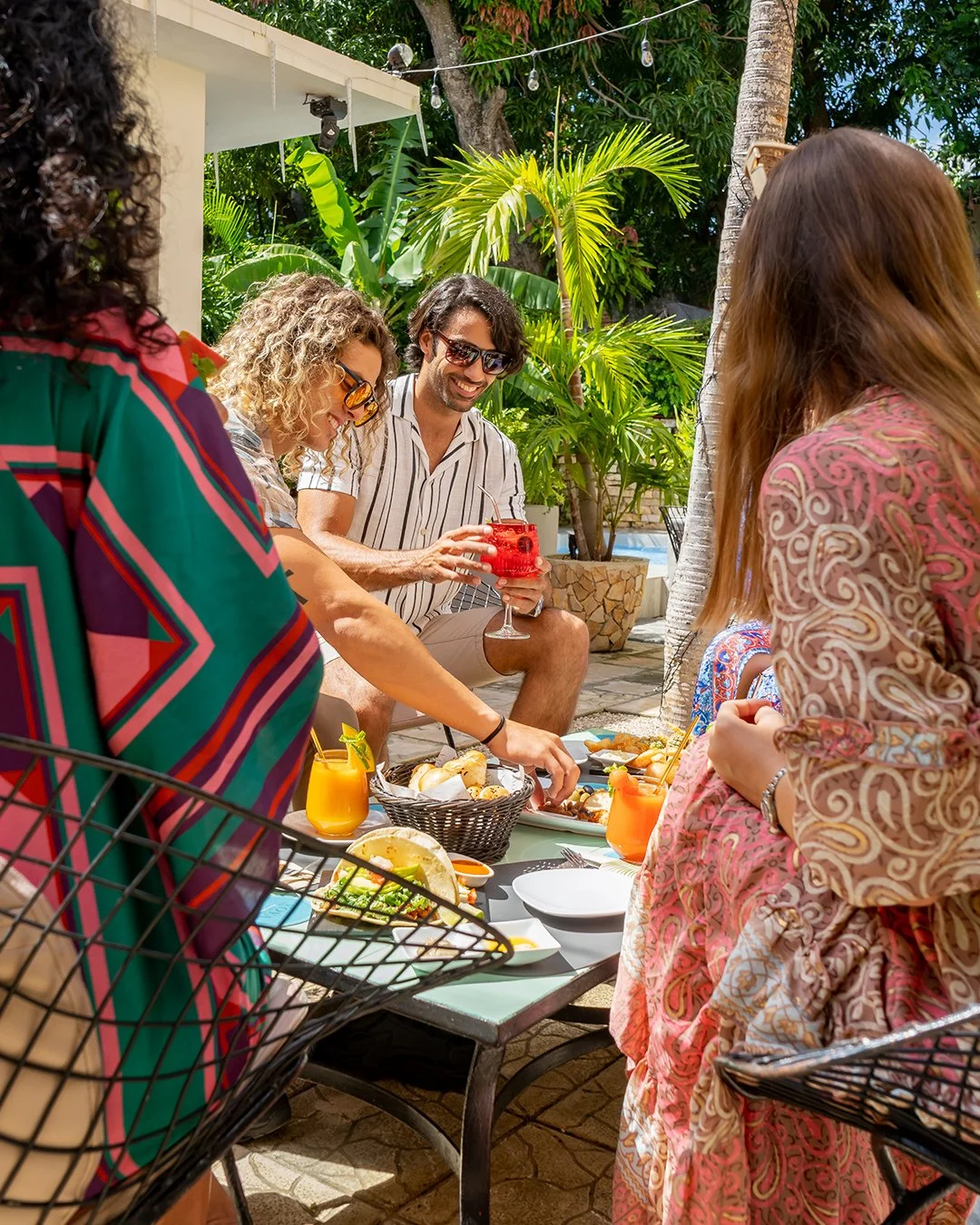
Cuba’s cocktail history is closely associated with Havana, but the city’s drinks culture extends far beyond mojitos and daiquiris.
A good bar experience should focus on technique, balance and atmosphere. Ask about house creations, styles of Cuban rum and the use of local fruits, herbs or spices.
Rather than moving rapidly between numerous famous venues, choose one bar before dinner and perhaps a second destination for live music or a final drink. Havana’s evenings are more rewarding when they unfold at a measured pace.
VOYA’s Secret Garden offers cocktails in a private outdoor setting, allowing guests to end an evening away from the intensity of the city.
Cuban coffee culture and VOYA Café
Coffee has a longstanding place in Cuban domestic and social life.
The traditional cafecito is short, strong and usually sweet. It may be served at home, through a street window or in a neighborhood café, often as much for conversation as for the drink itself.
Havana’s newer café culture is adding another dimension through more considered preparation, better equipment, contemporary pastry and design-led interiors.
VOYA Café was conceived as a destination for both hotel guests and Havana residents. It combines premium coffee, artisanal pastries and light cuisine in a contemporary setting within the hotel.
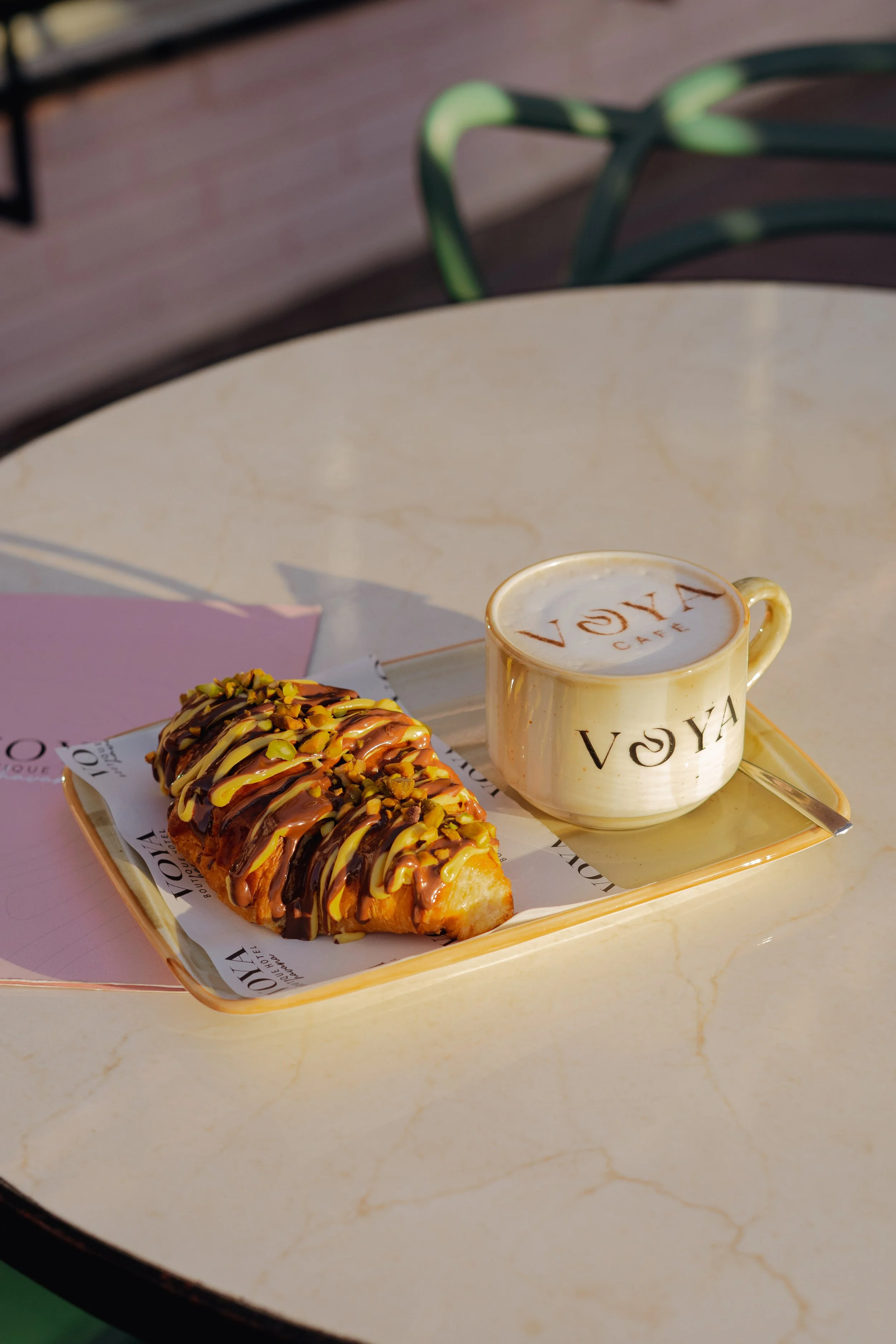
A café also introduces something valuable into a busy itinerary: time to pause. Some of Havana’s most revealing moments happen not during a formal tour, but while sitting with a coffee and watching neighborhood life continue around you.
Art, architecture and music
Havana is particularly rewarding when explored through a personal interest rather than a generic sightseeing route.
Architecture
The city contains colonial, neoclassical, eclectic, Art Nouveau, Art Deco and modernist buildings, often within relatively short distances.
A specialist itinerary might connect:
Old Havana’s civic and religious architecture
Centro Habana’s dense urban fabric
Vedado’s villas and modernist residences
Santos Suárez’s early twentieth-century homes
Restored mansions and adaptive-reuse projects
Contemporary art
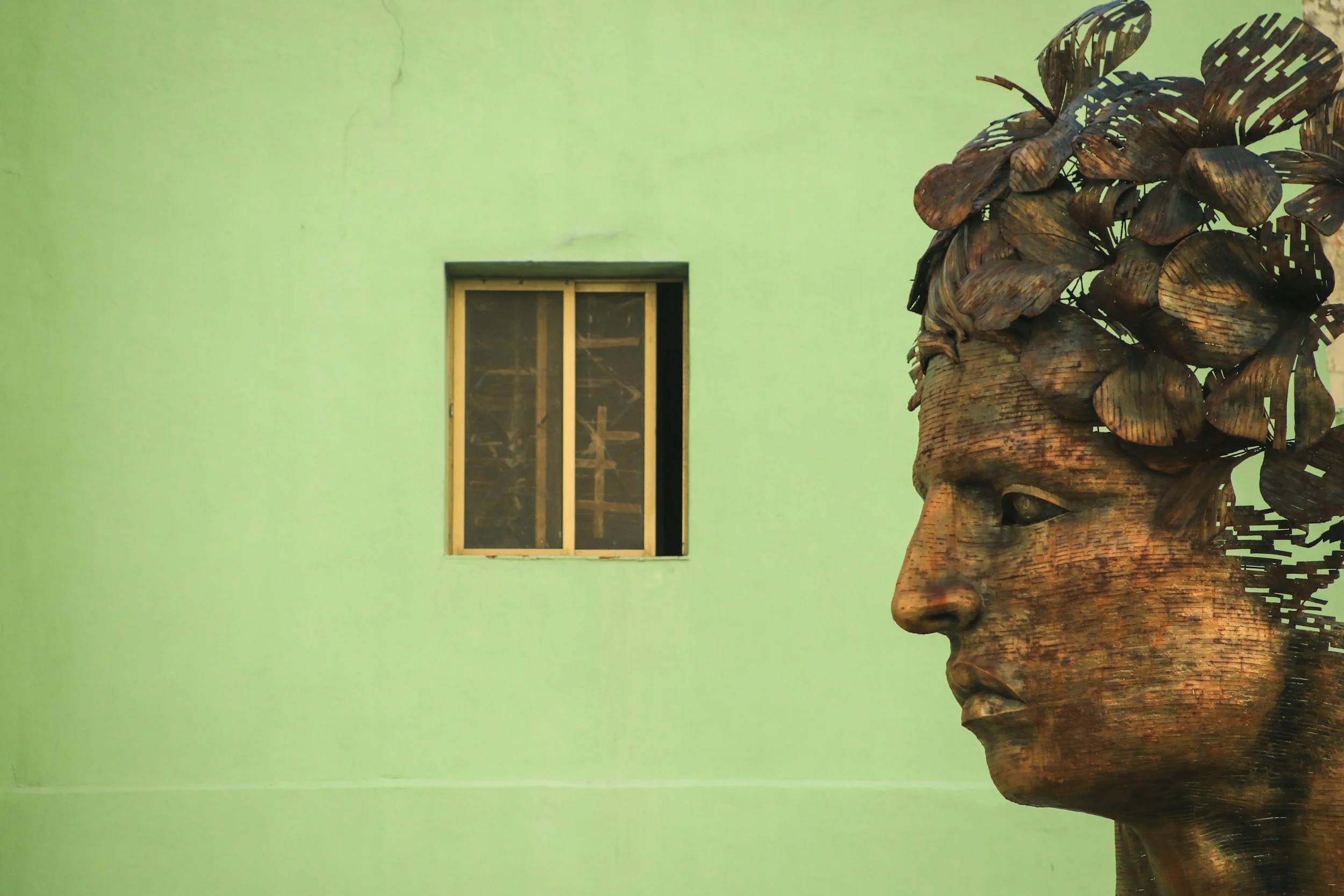
Combine major collections with independent galleries and pre-arranged studio visits.
Private appointments allow meaningful conversation with artists and curators. Travelers considering a purchase should discuss documentation, payment, shipping and export requirements before completing the transaction.
Music
Cuban music is not one genre or performance style. Son, rumba, trova, jazz, timba and Afro-Cuban traditions each belong to distinct histories and settings.
The most rewarding musical experience may be a formal performance, a neighborhood venue or a private introduction to musicians whose work reflects contemporary Cuban life.
Private experiences worth arranging
A luxury itinerary becomes distinctive when it is built around the traveler rather than selected from a fixed catalogue.
An architectural journey through Havana
Move from the monumental center to Vedado and Santos Suárez, tracing how Havana changed across different periods of design and urban growth.
Classic Havana by vintage car
Travel in a carefully selected classic automobile on a route that goes beyond a simple drive along the waterfront.
Artists’ studios and private collections
Meet artists and cultural figures by appointment with a guide able to place their work within the wider Cuban context.
A culinary day
Combine a long lunch, conversation with chefs or producers, specialty coffee and an evening cocktail or private dinner.
Havana through photography
Plan the day around changing light, residential streets, architectural details and less familiar perspectives.
Music and cultural history
Explore Havana’s musical identity through neighborhoods, private conversation and a live evening performance.
Experiences Curated by VOYA
The difference between an ordinary reservation and a carefully curated experience often lies in the details surrounding it.
Through long-standing local relationships, VOYA can arrange experiences that begin before the guest reaches the venue. This may include a personalized welcome at celebrated Havana restaurants such as La Guarida or Antojos, coordinated transportation, preferred seating where available and direct communication with the restaurant team regarding dietary preferences, celebrations or special requests.
Beyond the city, VOYA can create private days shaped entirely around the guest. A coastal escape might include a comfortable private vehicle, a carefully selected beach location and a fully prepared picnic with food, chilled drinks, towels and everything required for an unhurried day beside the sea.
Other tailored arrangements may include:
A private architectural route through Old Havana, Vedado and Santos Suárez
An artist’s studio visit arranged by appointment
A classic-car experience timed around the best evening light
A chef-led meal or celebration dinner
A private Viñales journey with a trusted driver and guide
A romantic picnic, anniversary experience or surprise proposal
A personalized itinerary built around gastronomy, music, photography or design
These experiences are not offered as fixed packages. They are designed around the guest’s interests, preferred pace and occasion.
Beyond Havana
Cuba should not be rushed.
Each additional destination brings travel time and logistical complexity. A shorter itinerary is usually improved by visiting fewer places more thoughtfully.
Viñales Valley
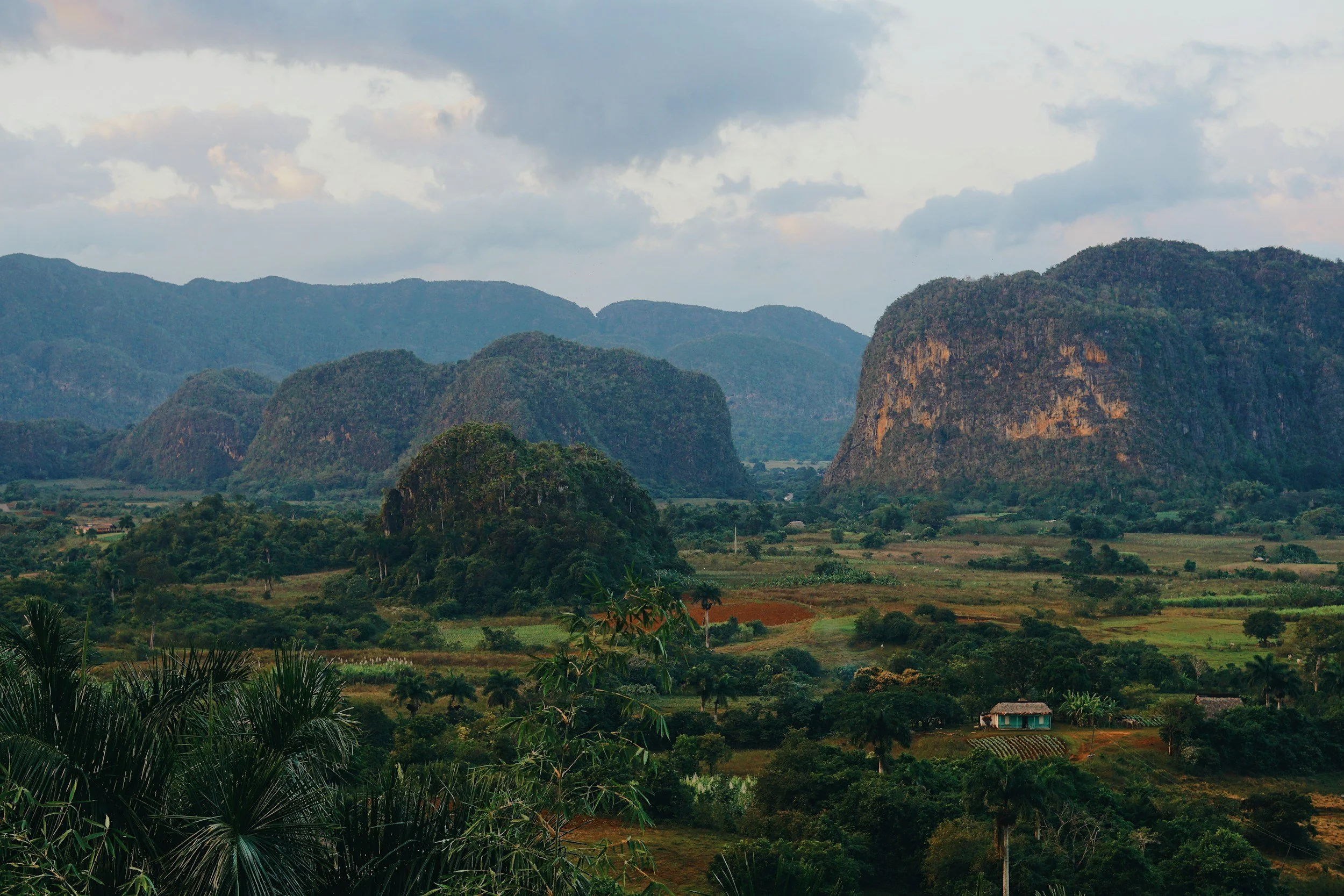
Viñales is one of Cuba’s most distinctive landscapes. Its limestone formations, agricultural traditions and rural settlements contributed to its UNESCO World Heritage inscription in 1999. UNESCO World Heritage Centre
It can be visited on a long day trip from Havana, although an overnight stay creates a gentler pace.
A private visit may include:
A working tobacco farm
A countryside walk or horseback ride
Lunch overlooking the valley
Time with a farmer or producer
An explanation of agricultural life beyond staged demonstrations
The quality of the guide matters more than the number of stops.
Trinidad
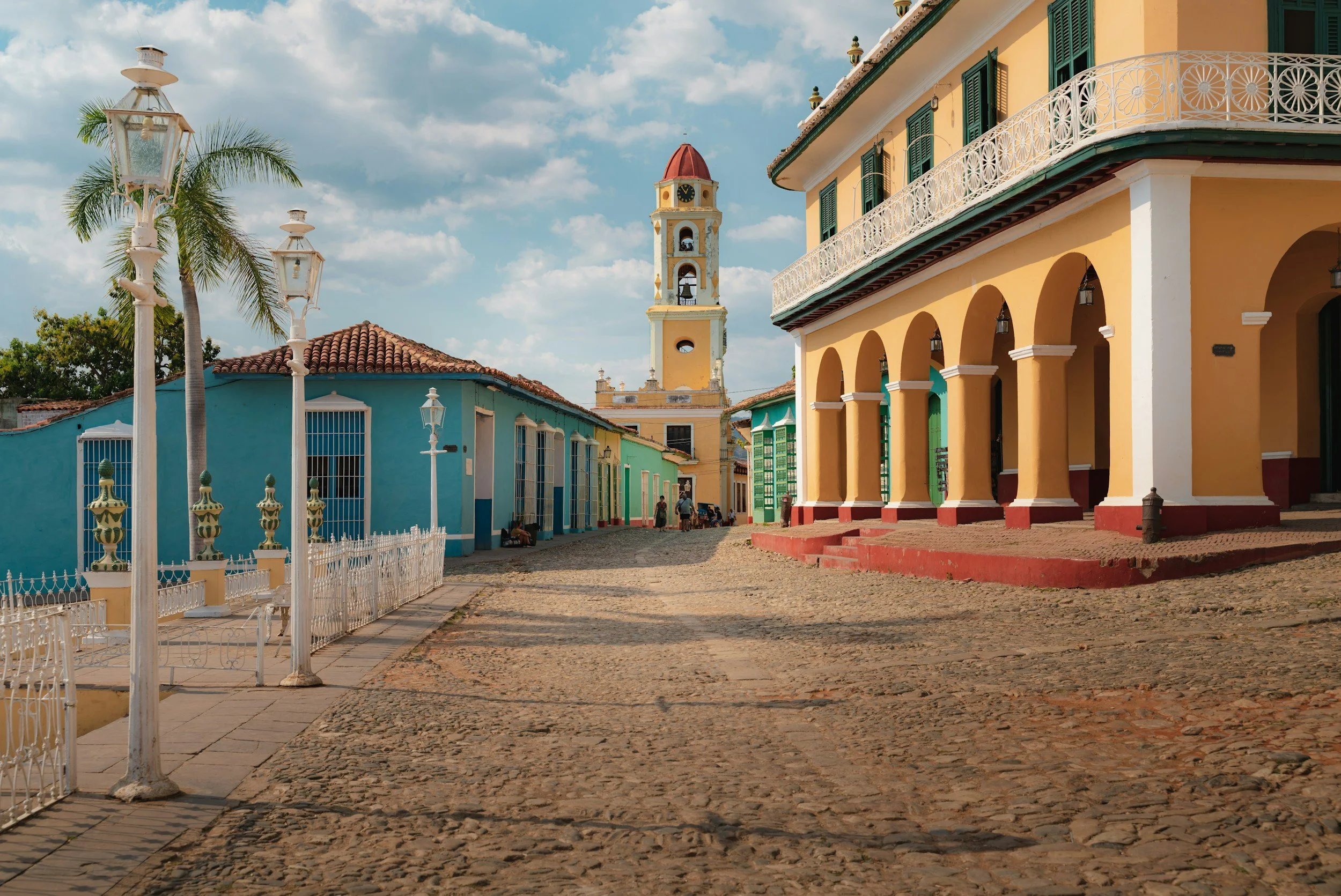
Trinidad and the nearby Valley de los Ingenios have been UNESCO-listed since 1988. The city is known for its preserved streetscape, domestic architecture and historic relationship with the surrounding sugar-producing region. UNESCO World Heritage Centre
Two or three nights are more rewarding than a rushed visit. Walk early in the morning and again in the late afternoon, when the light is softer and the streets quieter.
Allow time for interiors, workshops, music and the countryside surrounding the town.
Cienfuegos
Cienfuegos has a more ordered urban composition than many Cuban cities, shaped partly by nineteenth-century French influence. Its historic center has held UNESCO World Heritage status since 2005.
The city works well as a pause between Havana and Trinidad. Its bay, boulevards and calmer rhythm offer a useful contrast with the capital.
Santiago de Cuba
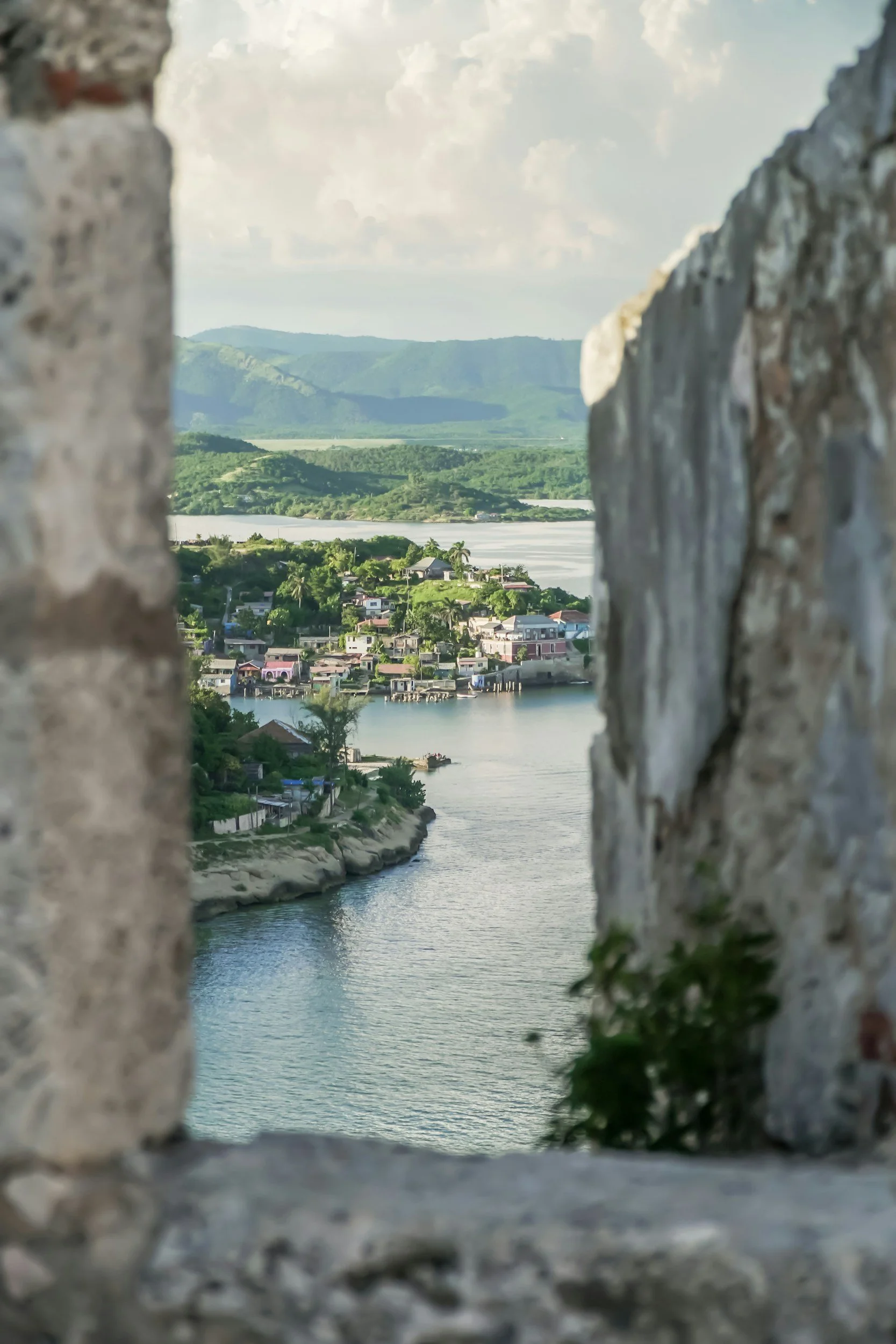
Santiago de Cuba has a distinct identity shaped by eastern Cuban history, Afro-Cuban traditions and music.
Its distance from Havana makes it better suited to a longer journey rather than being added hurriedly to a one-week itinerary. The nearby San Pedro de la Roca Castle is also included among Cuba’s UNESCO World Heritage properties. UNESCO World Heritage Centre
Beaches and the northern cays
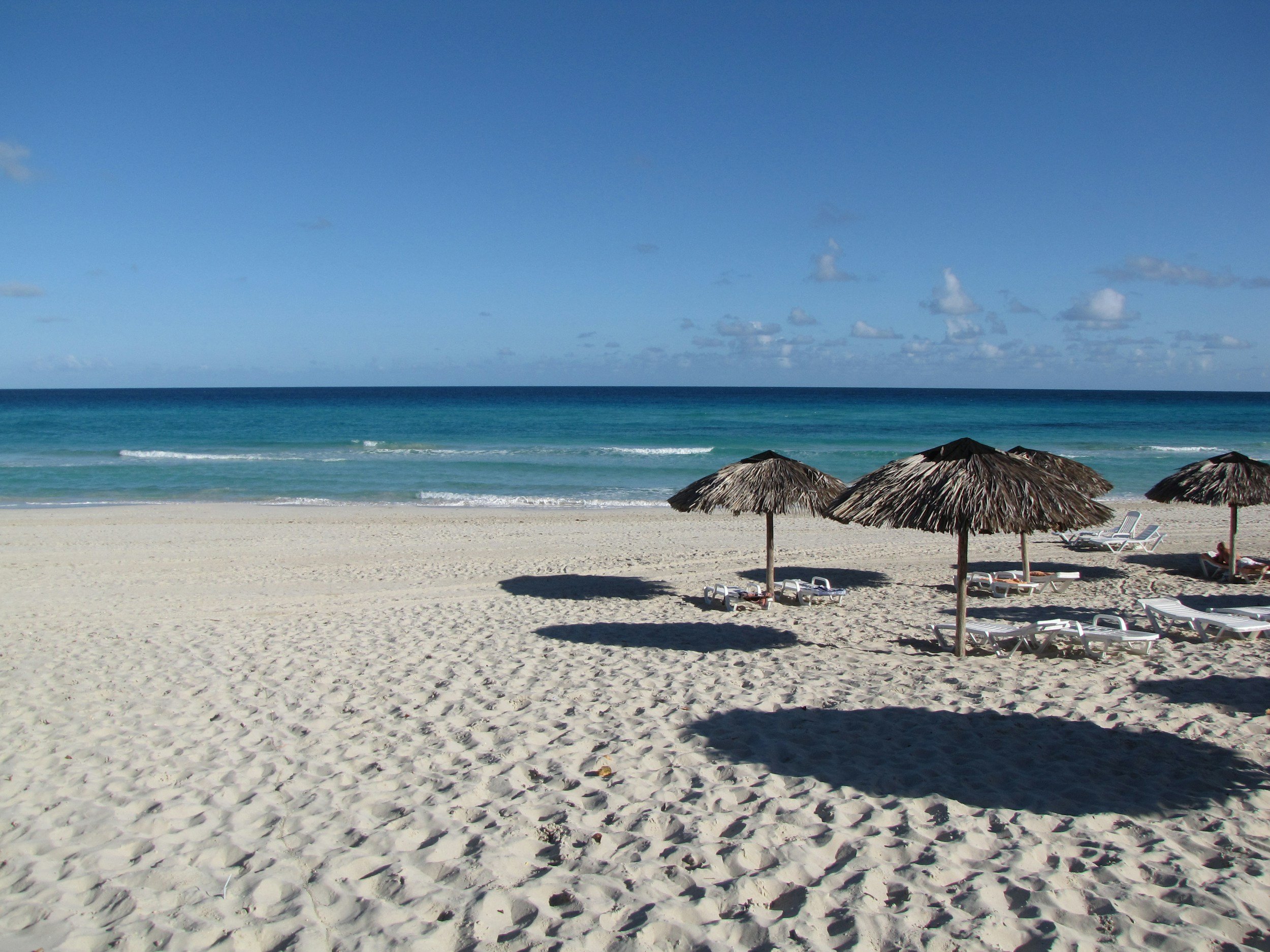
A coastal stay can follow a cultural itinerary, but the decision should be based on more than photographs of the beach.
Consider:
Transfer time
Current transportation conditions
Privacy
Room category
Dining quality
Electricity and water resilience
The level of service presently operating
Varadero offers relatively straightforward access from Havana and substantial resort infrastructure. The northern cays can feel more remote but require more planning.
A seven-day luxury Cuba itinerary
Day 1: Arrival in Havana
Private airport collection, check-in and a relaxed dinner. Avoid scheduling formal sightseeing on the first evening.
Day 2: Old Havana
Explore the historic center privately, followed by a long lunch and time to rest. Return to the city for cocktails, music or dinner.
Day 3: Architecture and contemporary art
Discover Vedado, selected residential architecture and galleries or artists’ studios by appointment.
Day 4: Santos Suárez and residential Havana
Explore Santos Suárez and other residential districts, tracing Havana’s architecture and musical history beyond the historic center. Pause at VOYA Café before an evening in the Secret Garden.
Day 5: Viñales
Travel privately to the valley for a farm visit, countryside experience and lunch.
Day 6: A personal Havana
Choose a day centered on gastronomy, photography, music, art or simply a slower schedule with no formal program.
Day 7: Departure
Allow a generous margin for the airport transfer and check-in procedures.
A ten- to fourteen-day journey
Travelers with more time can combine Havana and Viñales with Cienfuegos, Trinidad and a coastal extension.
A balanced itinerary might include:
Five nights in Havana
One night in Viñales
One or two nights in Cienfuegos
Three nights in Trinidad
Three or four nights beside the sea
Avoid scheduling a long overland journey on the same day as an international departure.
Internet and mobile connectivity
Internet access has expanded, but speed and stability vary.
ETECSA offers CubacelTur, a temporary mobile service designed for international visitors. Its current offers include data, minutes and SMS, with different validity periods depending on the selected package. Etecsa
Before departure, download:
Offline maps
Visa and insurance documents
Airline and hotel confirmations
Transfer details
Translation tools
Essential work files
Entertainment for periods without connectivity
VOYA provides guest unlimited high-speed Wi-Fi supported by the hotel’s independent energy infrastructure.
Electricity and reliable accommodation
Electricity reliability remains an important consideration when choosing accommodation in Cuba. Current official travel advice warns of prolonged outages and wider disruption associated with fuel and infrastructure constraints. GOV.UK
When evaluating a hotel, ask whether its backup system covers:
Guest-room air-conditioning
Lighting and electrical sockets
Hot water and water pumps
Refrigeration
Wi-Fi equipment
Kitchen operations
Common areas
Elevators, where applicable
A generator alone does not necessarily guarantee continuous operation, particularly when fuel is difficult to obtain.
VOYA’s solar-generation system and substantial battery storage allow the hotel to preserve essential guest comfort with greatly reduced reliance on the public grid and generator fuel.

Health and safety
Many travelers visit Cuba without serious difficulty, but normal precautions remain important.
Keep valuables secure, use trusted transportation and avoid displaying large quantities of cash. Official advisories identify pickpocketing, bag-snatching and other opportunistic crime as concerns, particularly in busy visitor areas. GOV.UK
Bring enough prescription medication for the complete journey, together with a reserve in case of disruption. Do not assume that a particular medicine will be readily available locally.
Consult a travel-health professional before departure and confirm that insurance covers the intended itinerary, medical treatment and evacuation where appropriate.
Sustainable luxury travel in Cuba
Responsible travel depends less on labels than on choices.
Travelers can contribute positively by:
Choosing independent guides and businesses
Buying art and crafts directly from creators
Paying agreed prices fairly
Using water and energy thoughtfully
Avoiding unnecessary single-use plastics
Selecting accommodation that invests in renewable energy
Asking permission before photographing people
Avoiding experiences that turn hardship into spectacle
Treating historic neighborhoods as living communities
Cuba has nine UNESCO World Heritage properties, including Old Havana, Trinidad, Viñales, Cienfuegos and San Pedro de la Roca Castle. These places are not merely scenery; they are cultural landscapes whose future depends on preservation and community life. UNESCO World Heritage Centre
VOYA’s investment in solar generation and battery storage forms part of the hotel’s approach to providing dependable comfort while reducing reliance on fuel-based power.
Planning your complete journey with VOYA
Cuba is most rewarding when the important arrangements have been made before arrival.
VOYA can coordinate the journey from start to finish, providing guests with one point of contact before and throughout their stay.
Arrangements may include:
International credit-card payment
Airport arrival and departure transfers
Private modern vehicles
Classic-car experiences
Specialist guides
Restaurant reservations
Architectural and cultural visits
Artists’ studios and galleries
Viñales excursions
Multi-day journeys to Cienfuegos and Trinidad
Coastal extensions
Special occasions
Personalized daily itineraries
VOYA does not rely on one standardized program. Each stay is designed around the guest’s interests, schedule and preferred pace.
Someone primarily interested in architecture will receive a different itinerary from a traveler focused on gastronomy, music, photography or relaxation. Plans can be prepared before arrival and adjusted during the stay as preferences or local conditions change.
That is one of the principal advantages of working with a locally based boutique hotel: the team arranging the journey is also present while it takes place.
Frequently asked questions
Is Cuba a luxury destination?
Yes, although luxury in Cuba is more personal than conventional. It is found in boutique accommodation, private access, thoughtful design, excellent guiding, gastronomy and attentive service rather than only in large resort facilities.
How many days should I spend in Cuba?
Five to seven days is enough for Havana and Viñales. Ten to fourteen days allows the capital to be combined more comfortably with Cienfuegos, Trinidad or a coastal extension.
Can I use a foreign credit card in Cuba?
Foreign Visa and Mastercard transactions cannot currently be relied upon within Cuba’s domestic payment system. Travelers should bring sufficient cash and confirm payment arrangements with each major provider. Banco Central de Cuba
Can I pay VOYA by credit card?
Yes. VOYA processes major international credit and debit cards through its international payment arrangements, subject to approval by the issuing bank.
Can VOYA arrange my entire stay?
Yes. VOYA can coordinate airport transfers, private drivers, guides, restaurant reservations, cultural experiences, day trips and multi-destination journeys before and during the stay.
Can U.S. citizens visit Cuba?
People subject to U.S. jurisdiction may travel only under an authorized OFAC category or specific licence. Ordinary tourism remains prohibited, and travelers are responsible for ensuring their activities and transactions meet the applicable requirements. OFAC
Do I need a visa?
Most international leisure travelers require a Cuban tourist visa or eVisa. Requirements vary by nationality and route, so verify them with the official Cuban eVisa service, the relevant consulate and the airline. eVisa Cuba
Is Santos Suárez worth visiting?
Yes, especially for travelers interested in residential architecture, neighborhood life and Cuban musical history. Celia Cruz grew up in Santos Suárez, where musicians and performers influenced her early development. National Museum of African American History
A more personal way to experience Cuba
The finest journeys through Cuba are rarely the busiest.
They leave room for an unexpected conversation, an architectural detail noticed from the car, a second coffee in a neighborhood café or an evening that lasts longer than planned.
Choose fewer destinations and experience them more deeply. Work with guides who understand their subjects. Select accommodation not only for its appearance, but for the reliability, judgment and responsiveness of its team. Arrange the practical details before arrival, then leave enough space for Cuba to reveal itself.
Luxury travel in Cuba is ultimately about access, attention and care.
When those elements are in place, the result is more than a comfortable holiday. It becomes a perceptive encounter with one of the Caribbean’s most culturally rich, complex and distinctive destinations.